
 Land
Land$239,000
6 Acres 3 Building Sites Subdividable in Platanillo
View full listing →
Cavu Costa Rica Real Estate covers the full Southern Zone — from the Costanera coastal corridor through Dominical, Uvita, and Ojochal, to inland markets like San Isidro and Tinamastes, and down to the remote Osa Peninsula.
Closest international airport
San José International Airport (SJO)
Typical drive from San José
Generally about 3 to 6+ hours depending on destination and traffic
Domestic airport context
Quepos / La Managua supports access to northern portions of the corridor
Key natural anchors
Marino Ballena National Park and Corcovado National Park
Cavu Costa Rica Real Estate covers the full Southern Zone — from the Costanera coastal corridor through Dominical, Uvita, and Ojochal, to inland markets like San Isidro and Tinamastes, and down to the remote Osa Peninsula.
Southern Zone Costa Rica real estate is one of the country's most diverse property markets, stretching across the Pacific corridor from surf towns and beach communities to inland valley and mountain environments. Buyers researching this region typically compare several locations before purchasing because each submarket offers a different balance of lifestyle, infrastructure, and long-term value.
The core markets most buyers evaluate first are Dominical, Uvita, Ojochal, and San Isidro de El General. Dominical is known for surf culture and hillside inventory near the coast. Uvita functions as a service-growth center with increasing commercial depth and high destination visibility through Marino Ballena National Park. Ojochal is generally quieter and more residential, with a strong international owner base and ocean-view hillside homes. San Isidro anchors inland infrastructure with healthcare, banking, schools, and year-round city services.
Property inventory across the Southern Zone is broader than many buyers expect. Ocean-view villas, jungle homes, development parcels, farms, and boutique hospitality opportunities are all within practical reach of Route 34 (Costanera Highway) or the inland routes connecting the region.
What makes the region particularly appealing is its mix of natural assets and still-developing market structure. Compared with more built-out coastal zones elsewhere in Costa Rica, much of the Southern Zone remains lower density, which supports long-term appeal for privacy-driven and lifestyle-focused buyers.
What different budgets buy in Southern Costa Rica — 2026 market conditions.
| Property Type | Price Range | What to Know |
|---|---|---|
| Coastal ocean-view home | $300K–$1.5M+ | Prime hillside and view properties in Dominical, Uvita, Ojochal — upper end is luxury with pool and finishes. [NICK: verify] |
| Near-town home | $200K–$600K | Service-accessible homes in or near town centers — strong for full-time living buyers. [NICK: verify] |
| Inland / mountain home | $120K–$400K | Tinamastes, Platanillo, San Isidro area — more space for the price, lower density. [NICK: verify] |
| Coastal lot | $80K–$500K+ | Build-ready view lots along the corridor — legal access and water are the defining variables. [NICK: verify] |
| Inland / farm parcel | $40K–$300K | Agricultural and rural land in inland communities — wide range based on size, water, and access. [NICK: verify] |
Ranges reflect 2026 market conditions and vary by specific location, condition, view quality, and infrastructure. Verify current comps with a local specialist before making any decisions.
Dominical through Uvita and Ojochal — the core ocean-view and tourism-facing markets along Route 34 (Costanera Highway)
Tinamastes, Platanillo, Lagunas and surrounding communities — lower price points, more land, rural character with coast access
Remote south — Corcovado National Park, Puerto Jiménez, Drake Bay. Conservation-led, low-density, nature-first market
San Isidro de El General hub — the region's urban and commercial center with strong infrastructure for year-round living
Land$239,000
View full listing →
 Land
Land$199,000
View full listing →
 Home
Home$799,000
View full listing →
 Land
Land$229,000
View full listing →
 Land
Land$249,000
View full listing →
 Home
Home$1,500,000
View full listing →
 Land
Land$199,000
View full listing →
 Home
Home$429,000
View full listing →
Buyers comparing Southern Zone Costa Rica real estate almost always start with Dominical, Uvita, and Ojochal because these three markets represent distinct ownership models in the same corridor. Dominical is typically the surf-town option: stronger tourism visibility, beach culture, and hillside homes. Uvita is the growth-and-convenience center with expanded infrastructure and high destination visibility. Ojochal sits in a quieter lane — more residential in feel, with a strong international community and established dining, known for privacy and premium hillside ocean-view homes.
Inland markets serve different needs. San Isidro de El General is the region's urban service hub — hospitals, universities, major supermarkets, banks — and is the practical choice for buyers prioritizing year-round infrastructure over beach proximity. Smaller inland communities like Tinamastes, Platanillo, and Lagunas attract buyers who want more space and lower price points while staying within reach of both the coast and San Isidro services.
Most serious buyers compare multiple markets before deciding because the right fit depends on use-case: lifestyle pace, rental strategy, infrastructure needs, and long-term ownership goals.
Homes for sale in the Southern Zone Costa Rica range from entry-level owner-user residences to luxury ocean-view villas. In coastal and hillside zones, buyers often target turnkey homes with rental capability. In inland and transition corridors they may prioritize larger parcels and long-term development flexibility.
Core categories include ocean-view villas, jungle homes, development lots, farms and acreage, and boutique hospitality assets such as small lodges or retreat properties. Each category serves different buyer profiles. Lifestyle buyers and retirees usually prioritize ready-to-use homes with practical access. Investors may target rental-optimized villas in high-demand micro-locations. Land buyers focus on parcels with legal water, road access, and realistic build conditions.
Asset quality varies widely by micro-location, terrain, and infrastructure. In this market, legal clarity and technical feasibility are as important as price.
Southern Zone investment property opportunities are strongest when investors align strategy with local market mechanics rather than generic national assumptions. Demand is driven by tourism flow, relocation trends, and constrained supply of high-quality ocean-view and access-reliable assets.
Common strategies include building rental villas in proven demand corridors, acquiring boutique hospitality properties tied to nature and surf travel, and land banking in emerging micro-locations with clear long-term fundamentals. Rental-focused investors need operational discipline: management quality, maintenance standards, and guest logistics are critical. Land investors need technical diligence on access, water, slope, and execution feasibility.
The region's long-term upside is tied to limited premium inventory and continued buyer migration toward lower-density coastal and inland markets. Investors who perform best combine local market expertise, conservative underwriting, and clear use-case definition before acquisition.
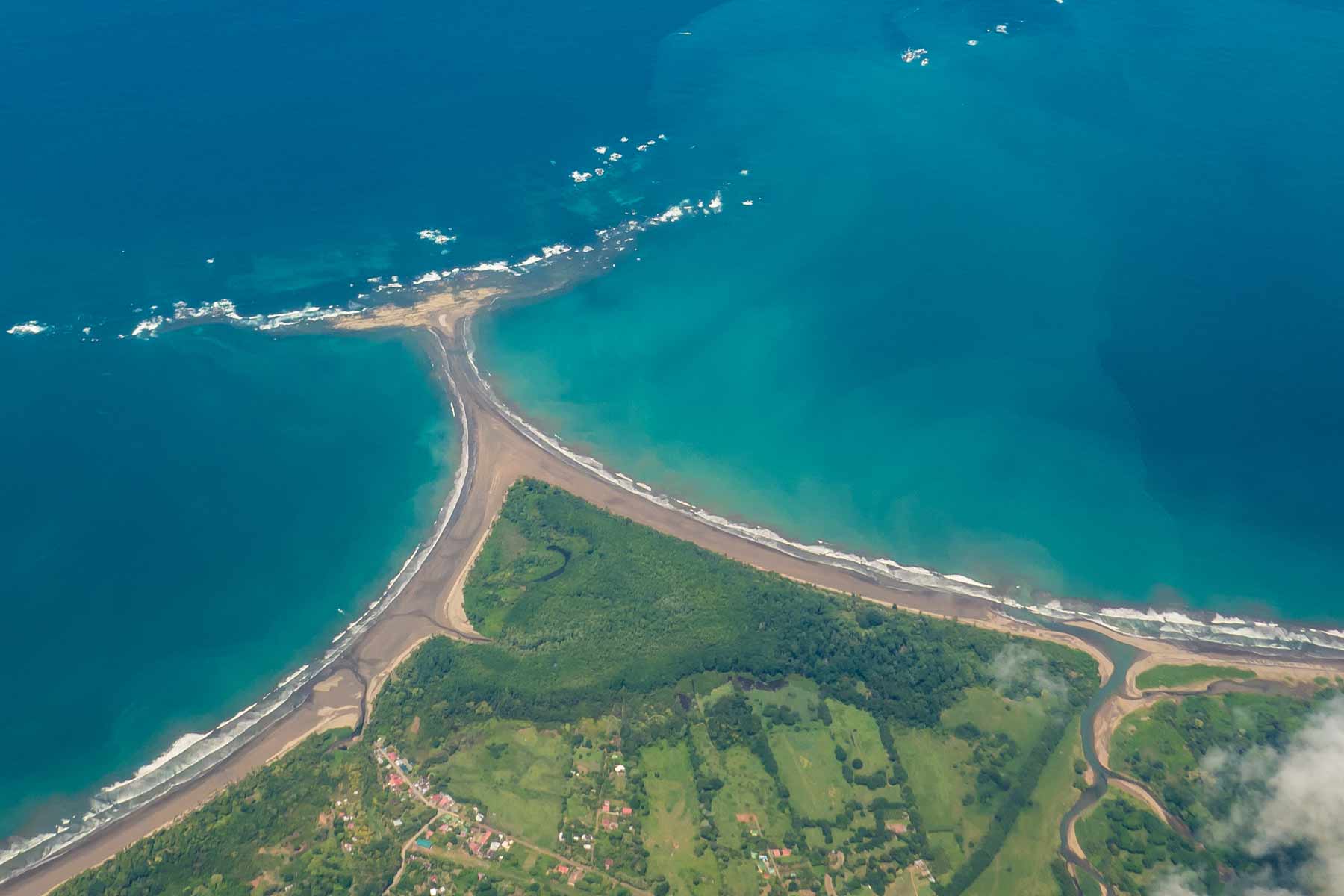
The Costanera corridor from Dominical south through Uvita and Ojochal runs along one of Costa Rica's most intact southern Pacific coastlines. Marino Ballena National Park — centered on a whale-tail-shaped sandbar near Uvita — is the area's most recognized natural landmark. Beach experiences across the corridor vary: Dominical is known for surf and river-mouth conditions; Uvita's beaches inside the park are calmer and family-oriented; Ojochal and Tortuga areas have more secluded coves. The variety gives Southern Zone residents multiple options within an hour of most properties.
[NICK: describe what makes the Southern Zone lifestyle distinct from other parts of Costa Rica — the pace, the community mix, what draws international buyers specifically to this region vs. Guanacaste or the Central Valley. What do buyers find here that they can't find elsewhere in Costa Rica? What surprises people most after they move here?]
The Southern Zone includes some of Costa Rica's most intact ecosystems — from Nauyaca Falls near Dominical to Corcovado National Park on the Osa Peninsula. For buyers, this concentration of protected land and biodiversity is both a lifestyle draw and a factor that limits overdevelopment, which has historically supported property values in the most desirable corridors. The region is not a blank canvas being built out rapidly — much of what makes it appealing is exactly what cannot be replicated elsewhere.
Costa Rica's Southern Zone corridor runs from Quepos through Dominical, Uvita, Ojochal, the Osa Peninsula region, and down toward Pavones.
The Southern Zone refers to Costa Rica's southern Pacific corridor and nearby inland areas, commonly including markets such as Dominical, Uvita, Ojochal, and San Isidro de El General. It is connected primarily by Route 34 (Costanera Highway) along the coast, with inland routes linking to valley and mountain communities. Buyers evaluating Southern Zone real estate usually compare several locations before deciding, since each submarket offers a different balance of lifestyle, infrastructure, and investment profile.
Core search markets typically include Dominical, Uvita, Ojochal, and San Isidro de El General, along with smaller surrounding communities such as Lagunas, Tinamastes, Platanillo, San Juan de Dios, and the Osa Peninsula. Dominical is more surf-town and tourism-facing, Uvita is more service-growth oriented, Ojochal is more residential and privacy-driven, and San Isidro offers deeper inland infrastructure. This market diversity is one of the region's strengths and also why location-fit analysis is critical before buying.
For many investors, yes — particularly when strategy is location-specific and operationally realistic. The region benefits from strong lifestyle demand, tourism visibility in key coastal hubs, and limited supply of prime ocean-view inventory in top micro-markets. Investment models vary: vacation-rental villas, boutique hospitality, and long-horizon land positions are all active strategies. Performance is highly asset-specific. Investors who do best typically underwrite access, utility reliability, management quality, and maintenance realities before purchase.
Guanacaste generally has larger-scale tourism infrastructure and more mature resort clusters. The Southern Zone is typically lower density, more terrain-diverse, and often perceived as more nature-immersed. Buyers comparing the two are usually deciding between convenience-heavy resort ecosystems and more varied, lifestyle-driven micro-markets. The Southern Zone often appeals to buyers seeking space, privacy, and long-term livability with strong biodiversity context.
Inventory includes ocean-view villas, jungle homes, condos in selected markets, development lots, farms and acreage, and boutique hospitality assets. Homes for sale in the Southern Zone vary dramatically by location, access, and terrain. Buyers should align property type with use-case: owner occupancy, rental income, land hold, or phased development. Micro-location and infrastructure quality determine long-term performance more than property category alone.
Yes. In most cases, foreigners can purchase titled property in Costa Rica with ownership rights similar to local buyers. The process is straightforward when legal diligence is handled correctly. Buyers should verify title, survey alignment, easements and access rights, and utility and water feasibility before closing. Most transaction risk comes from incomplete verification, not from foreign ownership restrictions.
It can be very strong in the right submarkets and asset types. Coastal hubs such as Dominical and Uvita often show consistent guest demand tied to beaches, nature, and national-park tourism patterns. Investors should avoid one-size-fits-all assumptions: each town has a different demand profile. Reliable access, infrastructure, management, and guest experience quality are major drivers of performance. Rental success in the Southern Zone is generally operational, not automatic.
Start with use-case clarity: rental focus, full-time relocation, second-home lifestyle, or long-term land strategy. Then compare each town by practical criteria: access, services, climate preference, density tolerance, and budget fit. Dominical tends to be surf-town active, Uvita service-growth oriented, Ojochal quieter residential, and San Isidro infrastructure-rich inland. Most first-time buyers benefit from structured market comparison before touring properties.