
 Commercial
$449,000
CONDO – 2 Bedroom Turnkey Garden View Condo With Resort Style Amenities And Convenient Location!
View full listing →
Cavu Costa Rica Real Estate works with buyers, investors, and second-home owners across the Manuel Antonio and Quepos corridor. If you are evaluating property here, this guide covers the neighborhoods, price context, and practical ownership factors that matter most.
Closest airport
Quepos / La Managua Airport (typically 10–20 minutes)
From San José International (SJO)
Usually about 3 to 4.5 hours by road, depending on traffic
To Dominical
Often about 1 to 1.5 hours by Route 34
Closest marina
Marina Pez Vela (Quepos)
Cavu Costa Rica Real Estate works with buyers, investors, and second-home owners across the Manuel Antonio and Quepos corridor. If you are evaluating property here, this guide covers the neighborhoods, price context, and practical ownership factors that matter most.
Manuel Antonio Costa Rica real estate sits on one of the most internationally recognized stretches of Costa Rica's Pacific coastline, directly linked to Quepos and anchored by the draw of Manuel Antonio National Park. The market functions in tandem with Quepos: Quepos provides core services, Marina Pez Vela, transportation links, and much of the year-round local infrastructure that supports ownership and operations.
This area's reputation is built on a combination of protected rainforest, ocean viewpoints, and strong tourism demand. That demand is a major reason homes for sale in Manuel Antonio Costa Rica remain competitive in key micro-locations. Buyers are typically vacation-rental investors, luxury second-home owners, and hospitality-focused operators looking at boutique lodging formats.
Property types include ocean-view villas, high-end homes, condos in strategic locations, and select parcels where development feasibility aligns with terrain and access. Manuel Antonio is heavily topography-driven. Slope, access road quality, utility routing, and rainy-season operability can all materially affect value and operating costs — not just aesthetics.
For buyers comparing options in Southern and Central Pacific corridors, Manuel Antonio is best viewed as a high-demand, view-driven market where precise asset selection and disciplined due diligence are essential.
What different budgets buy in Manuel Antonio — 2026 market conditions.
| Property Type | Price Range | What to Know |
|---|---|---|
| Premium ocean-view villa | $800K–$3M+ | Top-tier assets in prime view corridors with established rental track records. Quality of access and property management infrastructure matters as much as the view. |
| Mid-range hillside home / condo | $400K–$900K | Strong value band for buyers who want view exposure without top-of-market pricing. Evaluate access road and drainage carefully before committing. |
| Entry condo / smaller home | $200K–$450K | More accessible entry points, often on the road corridor. Verify HOA fees, management quality, and rental history if buying for income. |
| Premium view lot | $300K–$800K+ | Buildable parcels with established access and view lines. Development feasibility — slope engineering, utilities, legal access — should be confirmed before purchase. |
| Development parcel | $200K–$600K | Broader category covering parcels with varying development readiness. Feasibility study and legal review are non-negotiable before acquisition. |
Ranges reflect 2026 market conditions and vary by specific location, condition, view quality, and infrastructure. Verify current comps with a local specialist before making any decisions.
The area closest to the national park entrance and the beaches within the park. Properties here sit at the core of tourist traffic and beach access. Demand from vacation rentals and hospitality operations is concentrated here, though inventory is limited and competition for quality assets is high.
The main paved road from Quepos down toward the park is lined with hotels, villas, condos, and restaurants. This is where a significant share of the active real estate market sits — buyers get varying elevation, view exposure, and access quality depending on exactly where along the road a property sits. Due diligence on access road steepness and rainy-season conditions is essential.
An elevated promontory area with premium Pacific Ocean views and more exclusive positioning. Properties here tend to command the highest prices in the broader Manuel Antonio market. Buyers evaluating this zone should be prepared for more complex access logistics and higher construction or maintenance costs in exchange for the view and privacy premium.
Quieter beach access zones with a calmer character than the main park beaches. Properties near these areas can appeal to buyers who want coastal proximity without the heavier tourist concentration of the park entrance. Inventory is limited and opportunities require diligence on legal beach access and title.
Commercial$449,000
View full listing →
 Home
Home$1,395,000
View full listing →
 Home
Home$420,000
View full listing →
 Farm/Ranch
$1,500,000
View full listing →
 Condo
Condo$195,000
View full listing →
 Home
Home$729,000
View full listing →
 Condo
Condo$469,000
View full listing →
 Home
Home$349,000
View full listing →
Homes for sale in Manuel Antonio Costa Rica are typically view-oriented and terrain-dependent. Inventory includes luxury villas, premium residences, and condos, often designed around Pacific vistas and tropical outdoor living. Buyers evaluating neighborhoods here should focus on practical value drivers: elevation, road access, utility reliability, and seasonal operability — not just square footage or listing photos.
This market serves several use-cases at once — primary residence, second home, and rental asset — but the strongest long-term outcomes usually come from clear strategy before purchase. Homes with high view appeal but weak access can underperform operationally, while well-located properties with moderate views may deliver stronger returns due to easier management and guest logistics.
See current listings
Explore listingsLand opportunities in Manuel Antonio are selective and frequently constrained by topography, access complexity, and infrastructure planning requirements. Developable land exists, but buyers should treat feasibility as the first filter. Legal access, utility routing, slope engineering, drainage, and construction logistics all have direct impact on total project viability.
Because this is a high-demand destination market, premium buildable parcels can command strong pricing. That can still make sense when the site supports realistic execution for villas, boutique hospitality concepts, or high-end owner-use projects. Investors who succeed here typically combine strong legal review with early engineering input and conservative timelines.
Explore land-focused opportunities
Explore listingsTourism is the core demand engine in Manuel Antonio real estate. The area's international visibility, park visitation, and established hospitality ecosystem support consistent demand for vacation-oriented assets. Properties with strong design, reliable access, and professional operations can benefit from premium positioning compared with less-recognized markets.
High-performing Manuel Antonio investment property requires disciplined management, quality guest experience, and realistic underwriting of maintenance and operational costs in a tropical hillside environment. Proximity to Quepos infrastructure and Marina Pez Vela strengthens the investment case by improving logistics for owners, guests, and service teams.
Compare nearby service hub
Explore listingsManuel Antonio National Park is one of Costa Rica's most visited protected areas and the primary reason international buyers know this market. The park contains several beaches — including Playa Manuel Antonio and Playa Espadilla Sur — with calm water that is generally swimmable. Wildlife is accessible without going deep into remote terrain: white-faced capuchin monkeys, three-toed sloths, squirrel monkeys, and a wide range of birds are commonly spotted from park trails. Snorkeling around the rocky headlands is possible during calmer sea conditions. The park has an entrance fee and daily visitor limits that help manage congestion, which is worth knowing for owners who intend to use it regularly.
[NICK: describe the road-to-park corridor — the restaurants, the overall vibe, whether it feels tourist-heavy or has a local character. What do full-time residents do vs tourists? Are there specific spots locals prefer vs what is marketed to visitors? What does a typical week look like if you live here full-time?]
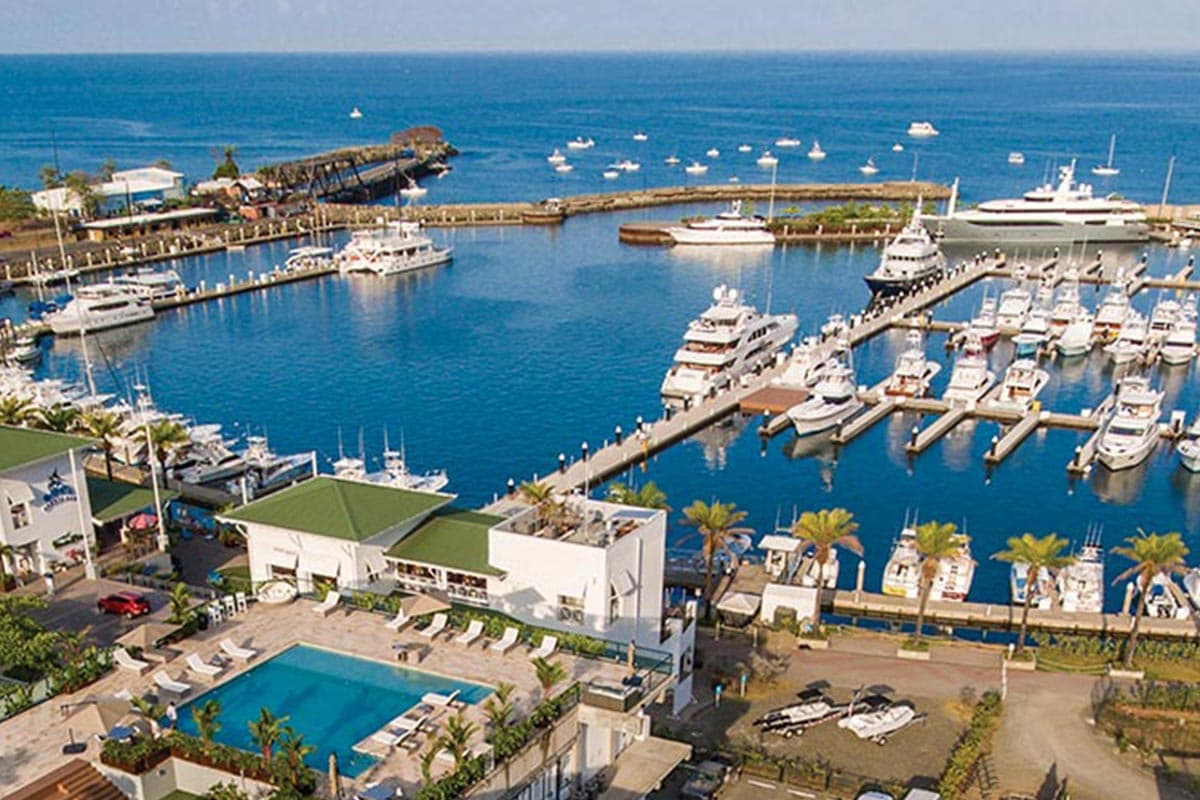
Marina Pez Vela in Quepos is one of the better-equipped marinas on Costa Rica's Pacific coast, sitting roughly 10 to 15 minutes from the Manuel Antonio area. The marina supports sportfishing charter operations targeting sailfish, marlin, roosterfish, and tuna in offshore and inshore waters. It also accommodates sailing, yacht storage, and private vessel berthing. Waterfront dining and retail at the marina create additional visitor and local activity that owners in both Quepos and Manuel Antonio benefit from. For buyers who care about marine access — whether for personal use or as a rental marketing point — Pez Vela is a meaningful nearby asset.
Manuel Antonio is on Costa Rica's central-southern Pacific coast next to Quepos, just off the Costanera corridor.
Manuel Antonio is on Costa Rica's Pacific coast in Puntarenas province, directly adjacent to Quepos. It is one of the country's most recognized destination areas because of Manuel Antonio National Park and its combination of rainforest, beaches, and ocean-view hillsides. In real estate terms, Manuel Antonio and Quepos function as a linked market system: Manuel Antonio carries much of the tourism and premium view-driven demand, while Quepos supports daily infrastructure, marina services, transport links, and operations. Buyers evaluating Manuel Antonio Costa Rica real estate should understand this relationship early because ownership logistics often depend on both locations.
For the right profile, yes. Manuel Antonio remains one of Costa Rica's strongest tourism-backed real estate markets, with consistent international visibility and durable demand for quality accommodations. Investment potential is strongest in well-located, operationally practical properties with clear positioning. Returns are highly asset-specific and depend on access, design, management, and maintenance execution. Buyers should underwrite conservatively and include tropical operating realities — staffing, utilities, repairs, seasonality. Investors who treat it like a business rather than a passive listing generally perform better.
Common property types include ocean-view villas, premium hillside homes, condos, and boutique hospitality-style assets. Many homes for sale in Manuel Antonio Costa Rica are designed for mixed use: owner occupancy plus rental potential. Because terrain is steep in many sectors, property quality depends heavily on access, engineering, and practical usability — not just view lines. You will also find selective land opportunities, but development feasibility varies significantly by slope, legal access, and utility setup. Polished marketing can obscure operational complexity, so buyers should evaluate infrastructure and long-term maintenance profile before committing.
Manuel Antonio is generally more premium, view-driven, and tourism-facing, while Quepos functions as the broader service and logistics hub. Buyers looking for destination-level rental visibility and high-end lifestyle positioning often focus on Manuel Antonio. Buyers prioritizing full-time convenience, marina access, and broader property type diversity often include Quepos in their search. Most experienced investors analyze both together because operational success in Manuel Antonio often depends on services and access routes tied to Quepos.
It can be one of Costa Rica's stronger vacation-rental zones when the asset is chosen and operated correctly. Guest demand is supported by national park tourism, international awareness, and year-round coastal travel patterns. However, competition is quality-sensitive. Properties with strong views, dependable access, good internet, and professional guest operations tend to outperform. Investors should budget realistically for management, maintenance, and seasonal variability, especially for hillside homes. Service quality and property condition directly affect reviews and occupancy in this market.
Yes, foreigners can generally own titled property in Costa Rica, including in Manuel Antonio. The legal framework is workable when proper due diligence is followed. Buyers should use qualified legal counsel and verify title, survey boundaries, easements, access rights, and any constraints affecting use. In terrain-sensitive and tourism-intensive markets like Manuel Antonio, technical diligence is also essential: drainage, access engineering, utility reliability, and structural condition can materially affect ownership quality. The safest approach is a structured process from strategy to closing, with legal and technical review done before final commitment.
Rainy season affects road conditions, drainage behavior, and maintenance demands across hillside Pacific markets. In Manuel Antonio, this is especially important because many properties sit on sloped terrain. Buyers should evaluate retaining and drainage systems, road quality, and wet-season operability before purchase. Homes that look equivalent in dry season can perform very differently in heavy rain. Properties with proven access and robust water management usually hold stronger long-term value and are easier to operate as rentals.
Manuel Antonio is generally more tourism-visible and premium-positioned than Dominical, Uvita, or Ojochal. Those markets can offer lower density, different price structures, and alternative lifestyle profiles. Manuel Antonio is usually chosen for destination strength and rental visibility; Southern Zone alternatives are often chosen for calmer pace, land flexibility, or value-to-space dynamics. The right market depends on strategy and use-case, not brand recognition alone.